- Home
- Community Blog
- Fight Bag Essentials: What Every Fighter Should Carry
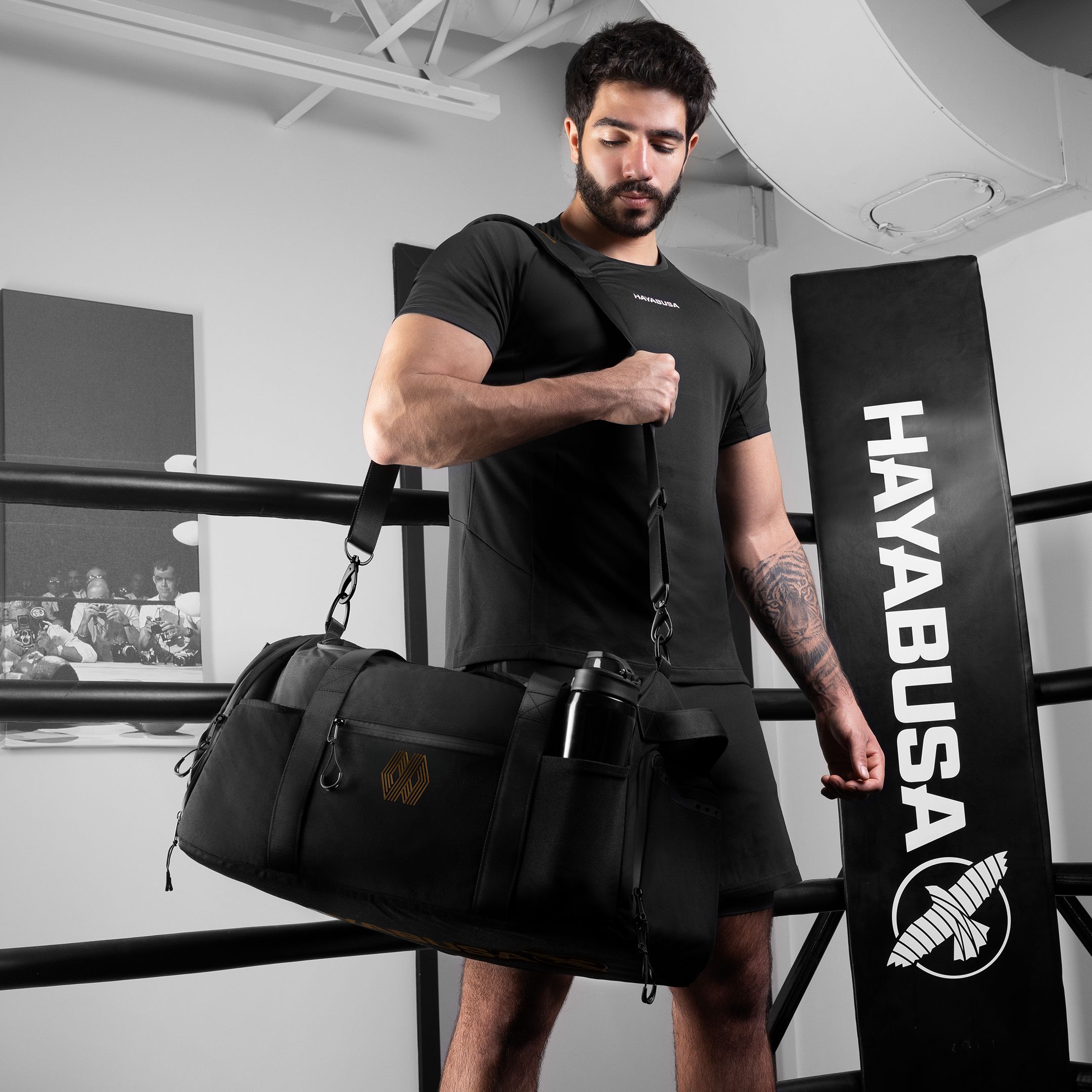
Fight Bag Essentials: What Every Fighter Should Carry
A well-packed fight bag can make training easier, more organized, and more comfortable. Whether you're heading to boxing, MMA, Muay Thai, or another combat sports session, having the right gear ready means you can focus on training instead of wondering what you forgot at home.
From gloves and hand wraps to shin guards and recovery essentials, here's what every fighter should consider keeping in their bag.
Start With the Right Fight Bag
Before choosing what goes inside, you need enough space to carry and organize your equipment.
A good fight bag or duffle bag should be large enough for your main training gear without becoming difficult to carry.
Look for features such as:
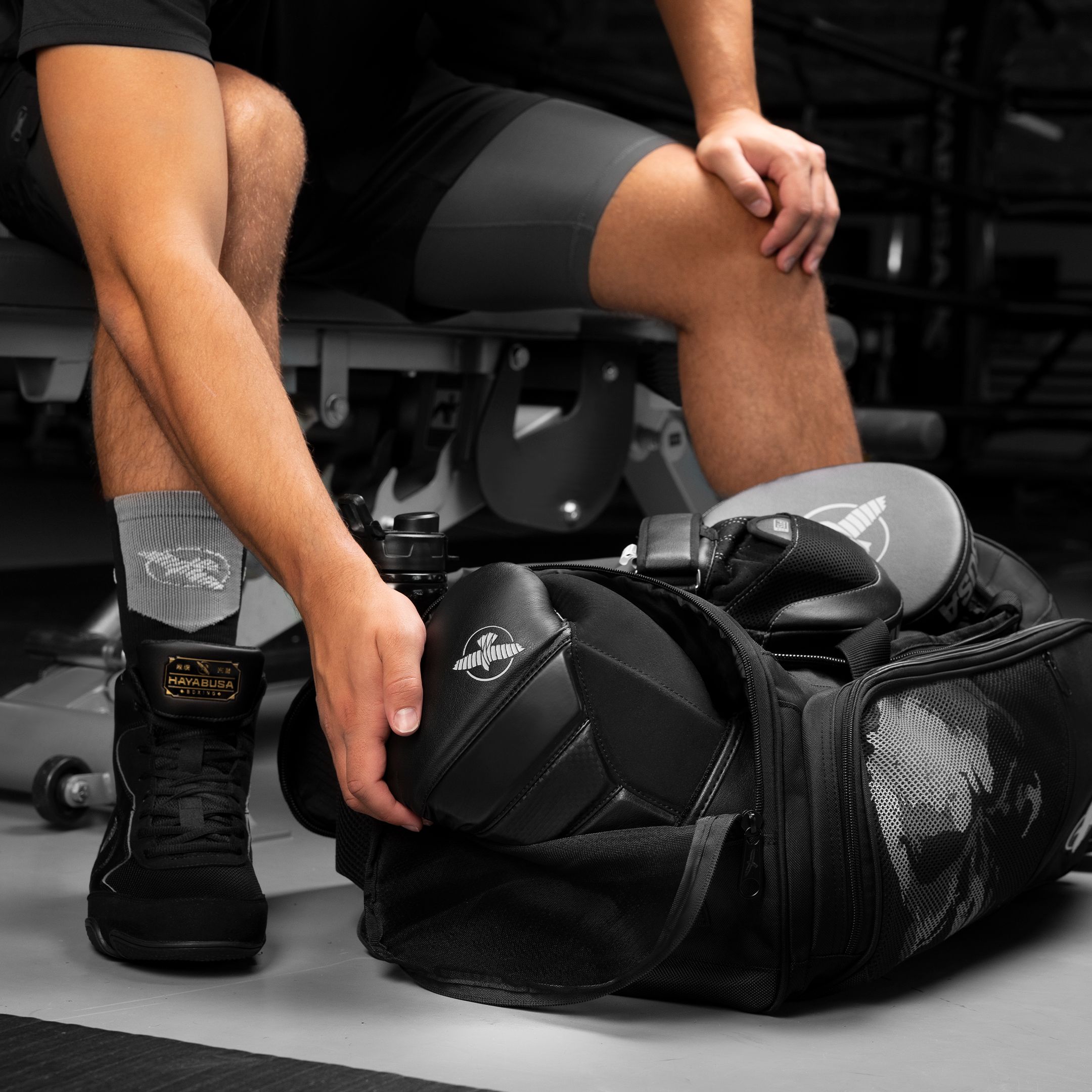
- Separate compartments for smaller items
- Durable construction
- Comfortable straps or handles
- Ventilation for used training gear
- Enough room for gloves and protective equipment
If you train in multiple disciplines, a larger bag can be especially useful for carrying extra equipment.
1. Training Gloves
Your gloves will usually take up the most space in your fight bag—and they're also one of the most important pieces of boxing gear.
The type you pack depends on the session:
- Boxing gloves for boxing and striking
- MMA gloves for mixed martial arts
- Sparring gloves for partner training
- Bag gloves for heavy bag sessions
If you regularly switch between bag work and sparring, consider keeping separate gloves for each.
2. Hand Wraps
Hand wraps provide additional support for your wrists, knuckles, and hands underneath your gloves.
Keeping an extra pair in your bag is a smart idea. If one pair is wet, dirty, or forgotten, you'll still have a clean backup ready for training.
After your workout, remove your wraps from the bag and allow them to dry before washing.
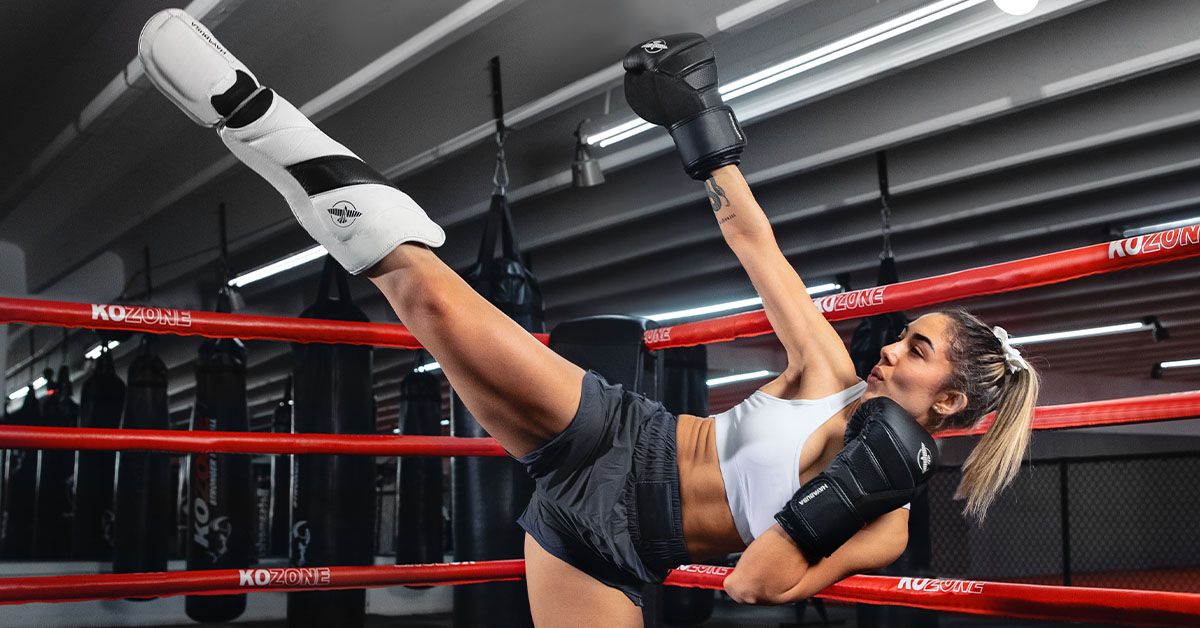
3. Shin Guards
If your training includes MMA, Muay Thai, or kickboxing, shin guards are another essential.
Choose shin guards that fit securely without restricting movement. Good coverage and padding help protect both you and your training partner during kicking drills and sparring.
Because shin guards can take up significant space, packing them alongside your gloves first can make organizing the rest of your bag easier.
4. Mouthguard
A mouthguard is small enough to forget but important enough that it should always have a dedicated place in your fight bag.
Keep it inside a ventilated protective case so it stays clean between sessions. Remember to clean both the mouthguard and its case regularly.
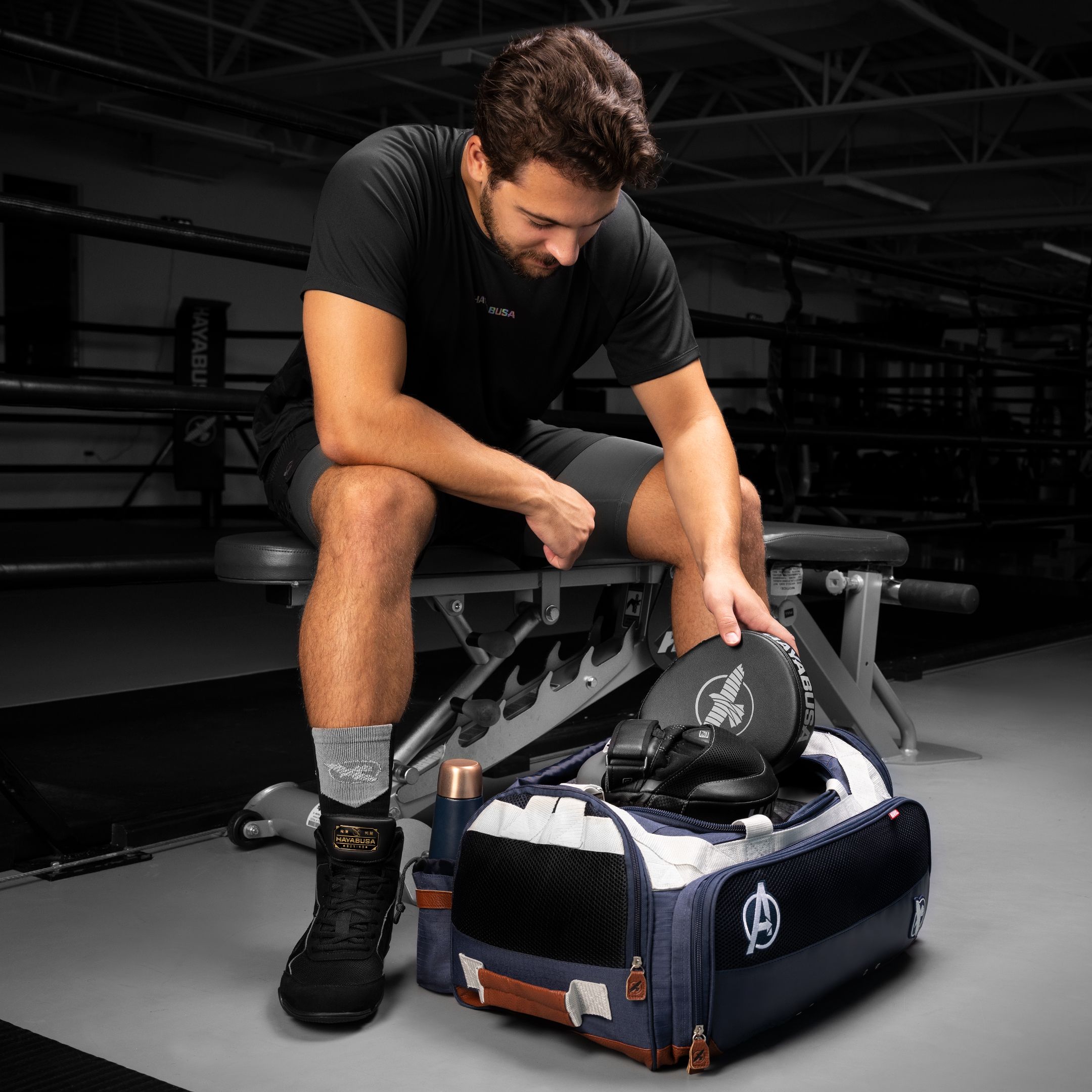
5. Water Bottle
Combat sports training can be demanding, so bring enough water for your entire session.
A reusable bottle is easy to keep in your bag, but use a separate compartment when possible to reduce the chance of leaks reaching your gloves or other equipment.
Fight Bag Checklist
Before leaving for training, make sure you have:
- ✓ Training gloves
- ✓ Hand wraps
- ✓ Shin guards when needed
- ✓ Mouthguard
- ✓ Water bottle
- ✓ Towel
- ✓ Clean shirt or training apparel
- ✓ Small personal-care items
- ✓ Bag for separating sweaty clothes after training
You won't need every item for every workout. Pack according to the type of training you're doing that day.
Keep Clean and Used Gear Separate
One of the biggest mistakes fighters make is leaving sweaty equipment inside a closed bag after training.
Moisture can lead to unpleasant odors and shorten the lifespan of your equipment. When you get home, take out your gloves, wraps, shin guards, and training clothes and allow them to dry properly.
A separate compartment or lightweight laundry bag can also help keep clean clothing away from used gear on the way home.
What Should You Pack for Different Training Sessions?
| Training | Key Gear to Pack |
|---|---|
| Boxing | Boxing gloves, hand wraps, mouthguard |
| Heavy Bag | Bag/training gloves, hand wraps, water |
| MMA | MMA gloves, shin guards, mouthguard |
| Muay Thai | Boxing gloves, hand wraps, shin guards, mouthguard |
| Sparring | Sparring gloves, hand wraps, mouthguard, protective gear |
Your coach or gym may require additional protective equipment, so always check the rules for your specific class.
Don't Overpack Your Fight Bag
It's tempting to carry every piece of equipment you own, but an overloaded bag quickly becomes inconvenient.
Start with the essentials for your training session, then add optional items such as a towel, change of clothes, or recovery accessories. Keeping your bag organized also makes it easier to notice when something needs to be cleaned or replaced.
Build a Fight Bag That's Ready for Training
The best fight bag is organized around the way you train. Start with the essentials—gloves, hand wraps, a mouthguard, and the protective equipment required for your discipline—then add the personal items that make your sessions more comfortable.
A durable duffle bag gives you room to keep your boxing gear organized, while quality shin guards, gloves, and hand wraps help ensure you're prepared for your next workout.