- Home
- Community Blog
- What Size Punching Bag Do You Need? (By Height, Weight & Goals)
What Size Punching Bag Do You Need? (By Height, Weight & Goals)
Choosing the right punching bag size is one of the most important decisions when setting up a home gym or training space. The right bag helps you build power, improve technique, and train more safely, while the wrong one can limit your progress or make workouts frustrating.
This guide breaks everything down by height, weight, training goals, and bag type, so you can confidently choose the best option for your setup.
Why Punching Bag Size Matters
If the bag is not suited to your needs, you may notice:
- Excessive swinging that reduces punch accuracy
- Limited surface area for kicks or combinations
- Poor resistance that doesn’t challenge your power
- Increased risk of strain due to unstable movement
On the other hand, the right heavy bag helps you:
- Improve striking precision
- Build controlled power
- Train full combinations (punches, kicks, knees)
- Develop better timing and distance control
Choosing a Punching Bag by Weight
General Weight Guide:
- Beginner (light training / fitness focus) 40–70 lbs (18–32 kg)
- Intermediate (regular boxing or kickboxing) 70–100 lbs (32–45 kg)
- Advanced (power training / Muay Thai / MMA) 100–150+ lbs (45–68+ kg)
A heavier bag provides more resistance and stability, while a lighter bag allows faster movement and cardio-focused workouts.
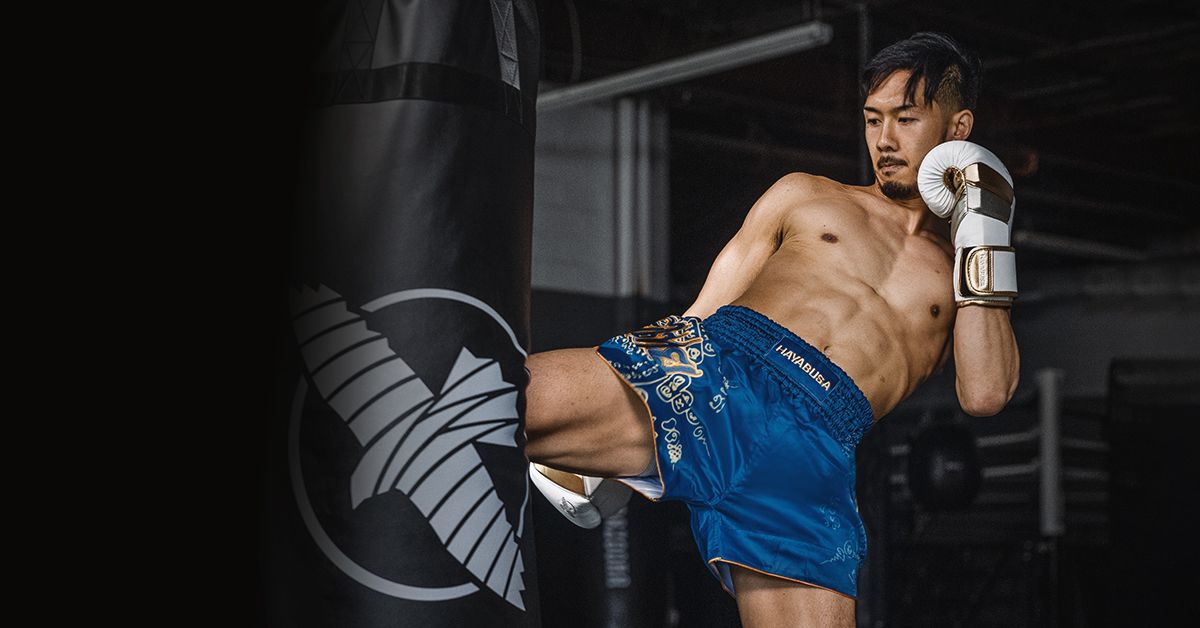
For athletes looking for durability and a stable striking surface, the Hayabusa 100lb Muay Thai Heavy Bag is a strong choice, especially for power and combination training.
Choosing a Punching Bag by Height and Training Style
Your height and fighting style influence how much usable surface area you need on the bag.
Short Bags (3–4 ft)
Best for:
- Boxing fundamentals
- Speed and accuracy drills
- Upper-body combinations only
Limitations:
- Not suitable for kicks or knees
Medium Bags (4–5 ft)
Best for:
- Boxing + light kickboxing
- Mixed combinations
- Beginners transitioning into Muay Thai
Long Bags (5–6 ft)
Best for:
- Muay Thai and MMA training
- Low kicks, body shots, and knees
- Full-range striking combinations
This size is ideal if you want to simulate real fight scenarios. The Hayabusa 100lb Muay Thai Heavy Bag offers the length and structure needed for full-body striking development.
Freestanding vs Hanging Heavy Bags
Your space and training preferences will also determine which type of bag is best for you.
Freestanding Heavy Bags (Best for Home Gyms)
Freestanding bags are designed for convenience and flexibility, making them ideal for home use.
The Hayabusa Quick Swap Freestanding Heavy Bag is especially useful because:
- No ceiling mounting required
- Easy to move and reposition
- Suitable for apartments or shared spaces
- Quick setup and beginner-friendly
Best for:
- Beginners
- Fitness-focused training
- Limited space environments
Hanging Heavy Bags (Best for Serious Striking)
Hanging bags are the traditional choice in boxing and Muay Thai gyms.
Benefits include:
- More realistic swing and movement
- Better feedback on power and timing
- Improved footwork and distance control
- Stronger resistance for advanced training
The Hayabusa 100lb Muay Thai Heavy Bag fits this category well for athletes focused on long-term skill and power development.
Choosing Based on Training Goals
Your training goal should always guide your purchase decision more than anything else.
Fitness & Cardio
- Best option: Freestanding bag
- Focus: calorie burn, movement, endurance
Boxing Technique
- Best option: Medium hanging bag
- Focus: speed, precision, combinations
Muay Thai / MMA Training
- Best option: Long heavy bag
- Focus: kicks, knees, elbows, clinch work
Power & Strength Development
- Best option: Heavy hanging bag (100 lbs+)
- Focus: impact force, conditioning, strength
Common Mistakes When Choosing a Punching Bag
Many beginners make avoidable mistakes when selecting a bag:
- Choosing a bag that is too light for power training
- Buying a short bag when they plan to train kicks
- Ignoring available space for installation
- Not considering long-term training progression
Avoiding these mistakes can help you find the best bag for home gym setups.
Quick Buying Checklist
Before making your final decision, ask yourself:
- Do I have space for a hanging setup?
- Will I train boxing only or full-body striking?
- What is my current experience level?
- Do I need portability or maximum stability?
- Am I focused on fitness, technique, or power?
These answers will quickly narrow down the right punching bag size for you.
Choosing the Right Punching Bag for Your Training
Finding the ideal punching bag size comes down to aligning your body type, training style, and available space. A well-matched bag improves performance, reduces injury risk, and keeps your training consistent and enjoyable.
For a flexible and space-friendly setup, the Hayabusa Quick Swap Freestanding Heavy Bag is an excellent choice for home gyms. If you're focused on power development, and full-body Muay Thai training, the Hayabusa 100lb Muay Thai Heavy Bag offers the durability and resistance needed for long-term progress.
In the end, the best punching bag is the one that matches your goals, not just your space.