- Home
- Community Blog
- Complete BJJ Belt Guide 2025: Ranking System, Stripes & Promotion
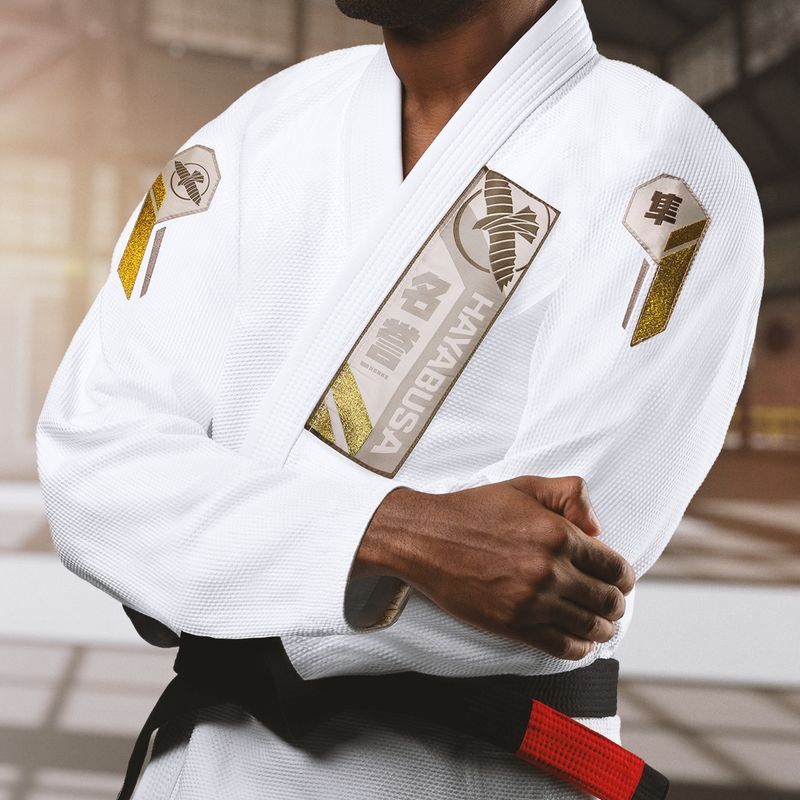
Complete BJJ Belt Guide 2025: Ranking System, Stripes & Promotion
The tradition and discipline of Brazilian Jiu-Jitsu (BJJ) are illustrated by its belt system.
Each belt color reflects years of training and personal development, indicating mastery of specific techniques and strategic evolution through engagement in the sport.
That’s why BJJ is more than just a sport. It’s an intentional practice that requires a mindset dedicated to continual improvement.
Understanding the progression of the belt system helps beginners set expectations and track their progress as they reach the next color and level on their journey.
This BJJ belt ranking guide briefly breaks down the differences between youth and adults and what is needed for practitioners to advance to the next level.
Understanding the BJJ Belt Ranking System
Purpose of the BJJ Promotion System
In the BJJ belt ranking system, each color illustrates a different level of technical skills and experience on the mat.
A fighter progresses to each level based on their training, knowledge of techniques, and the ability to apply them effectively under pressure.
All practitioners start with the white belt regardless of age and progress through the belt color system in the same way.
Time & Commitment Required
Despite the progression, BJJ isn’t about a quick race to achieve black belt status.
Instead, it’s a journey that illustrates years spent demonstrating skill and experience, as well as personal growth and training consistency.
Those motivated to go through each of the jiu-jitsu belt levels understand the development requires a respect and dedication that makes each achievement all the more meaningful when it happens.
Adult vs. Youth Belt Pathways
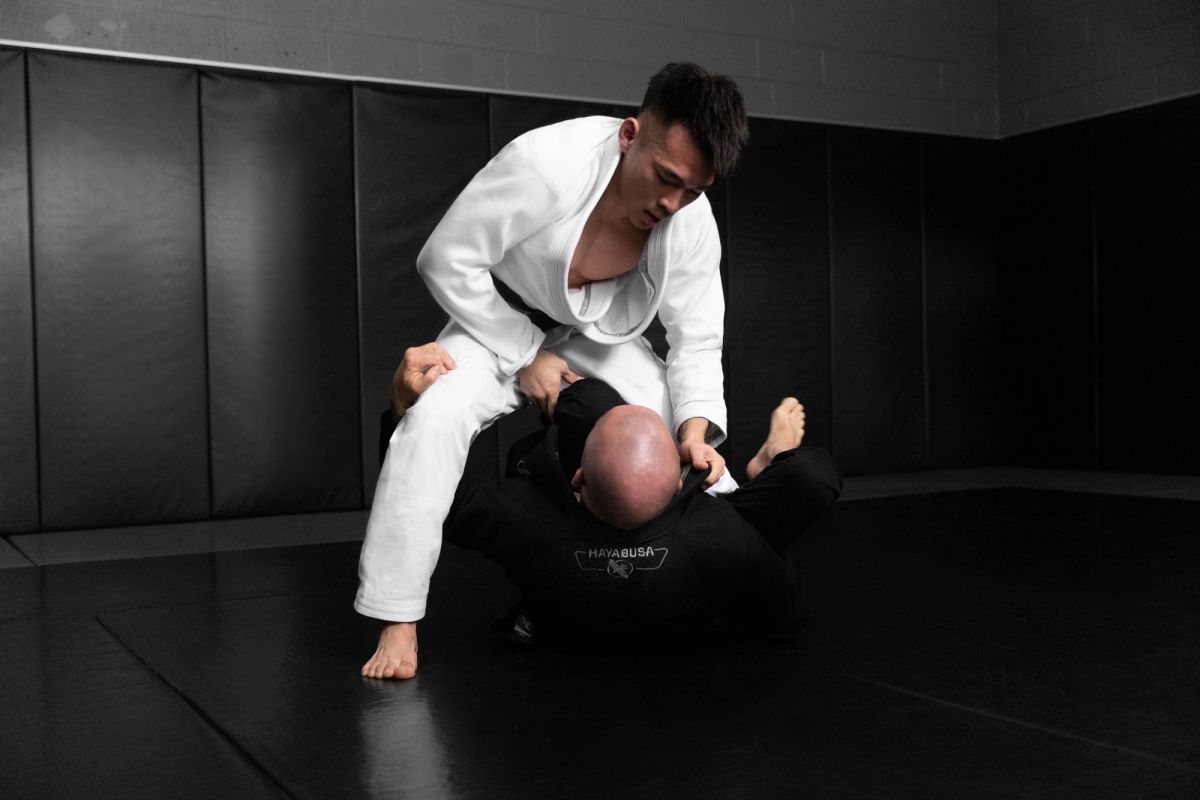
Though similar in paths, adults follow a five-belt BJJ promotion system that ranges from white (beginner) up to black (advanced).
However, children progress through a belt sequence with more colors and hybrid colors that is better designed for their developmental stages for safety and learning.
Shop Hayabusa BJJ Gear Collection
Adult Jiu-Jitsu Belt Levels Explained
White Belt
The entry jiu-jitsu belt level is white, which where every BJJ practitioner starts.
At the beginning of the training journey, a focus on basic movements and foundational positions is taught before advancing to the blue belt.
Blue Belt
Advancing to blue belt is when a student develops their skills and starts to experiment with strategy and techniques, including setups, baiting, and submissions.
Typically, this training time is two years, and a blue belt (and beyond) must acquire four stripes at each level before graduating to the next.
BJJ stripes explained
Stripes in BJJ are issued as small pieces of tape on a belt to reflect milestone achievements within the current rank that demonstrate a student’s technical proficiency and overall progress.
Purple Belt
Once a student reaches the purple belt level, they are considered an advanced practitioner who has mastered the BJJ skills and techniques to perform them smoothly on the mat.
This mid-way point shows a commitment to becoming a professional BJJ fighter and the discipline it takes to remain controlled in movements and comfortable in combinations and setups.
Brown Belt
The brown jiu-jitsu belt level indicates a student has reached the first expert level and has demonstrated confidence in building a unique fighting style based on the foundations of BJJ.
Brown belts also have the knowledge and experience to perform more complicated setups and attacks.
After the four stripes are achieved, there is typically another year or more of training before reaching black belt status.
Black Belt
A black belt in BJJ represents the most advanced level, although it doesn’t mean an end to a jiu-jitsu journey.
The practice of jiu-jitsu calls for the consistency of training and improvement with continuous learning and mastery of technique.
Youth Belt System (Kids & Teens)
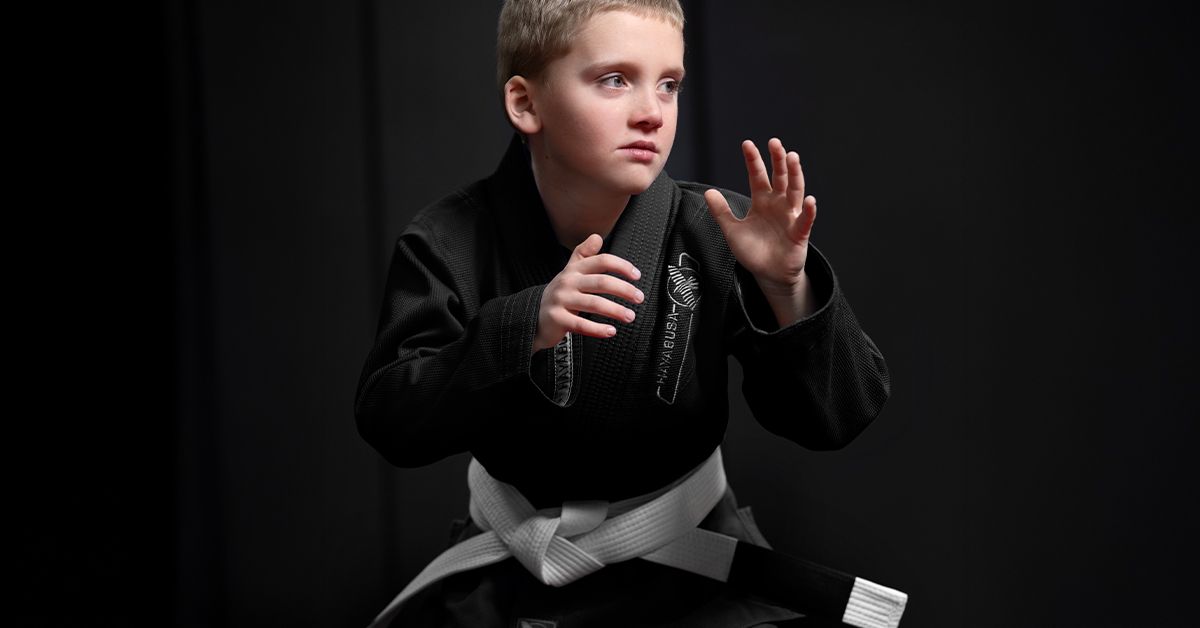
BJJ belts for adults and kids differ until a child reaches the age of 16.
Though they can also start the BJJ journey at any age, beginning with the white belt, they will not progress onto the next level until they are of age.
Until then, there is still a progression they can follow to illustrate their commitment and expansion of knowledge, experience, and skill. This belt color system includes:
- White
- Gray (solid, striped, black-bordered)
- Yellow (solid, striped, black-bordered)
- Orange (solid, striped, black-bordered)
- Green (solid, striped, black-bordered)
Hayabusa’s Children’s and Youth Jiu-Jitsu Gi comes equipped with a durable white belt to get their training started right away.
Advancing Your BJJ Practice with Hayabusa
BJJ belt ranking is one of the most respected structures in martial arts. There is no shortcut to success when it comes to progressing to the next stage.
Each stripe and belt color must be earned through time training, technical application, mental growth, and fight maturity.
The BJJ promotion system is followed by every practitioner regardless of age or current rank, and it works as a measurement to set goals, celebrate milestones, and continuously improve as a lifelong BJJ practitioner.
Fighters can start their journey strong with Hayabusa for BJJ gis and belts.