- Home
- Community Blog
- Hanging vs Freestanding Heavy Bags: Which One Is Best for You?
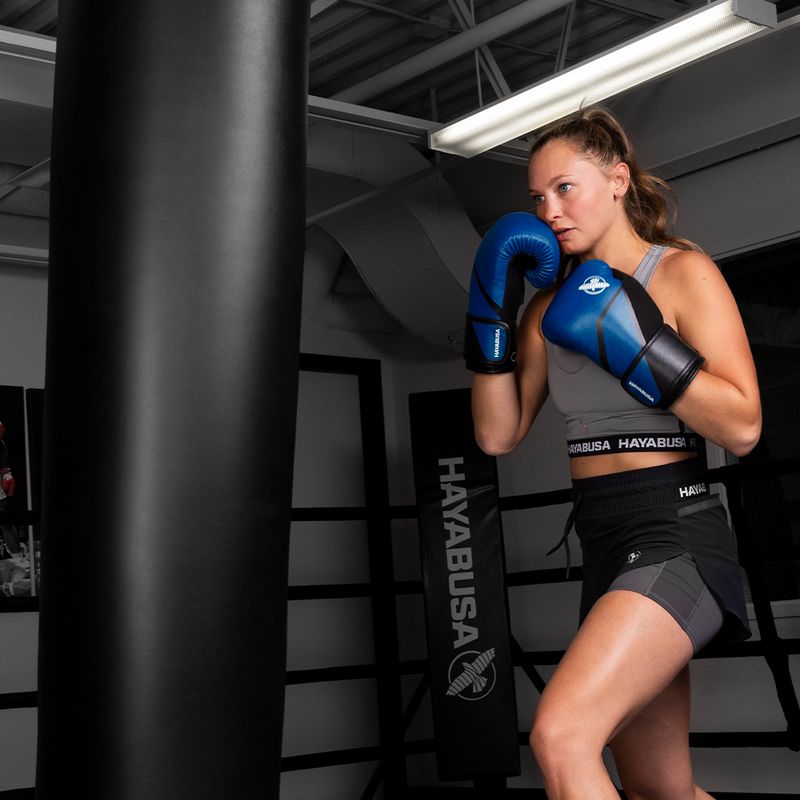
Hanging vs Freestanding Heavy Bags: Which One Is Best for You?
Heavy bag training is central to any workout, whether it’s for boxing, kickboxing, Muay Thai, or MMA.
A heavy bag helps athletes practice punch combinations, build strength and endurance, and work on footwork and defensive techniques.
There are different types of boxing training bags, each offering unique advantages, which are effective for training in a community gym, at home, or both.
This guide will take you through what to look for in a heavy bag, a heavy bag comparison between hanging and freestanding, and how to decide which is best for your training.
Factors to Consider When Choosing a Heavy Bag
The weight of a heavy bag is customizable based on the amount of padding you choose.
However, you’ll want to consider the durability of the exterior material and its ability to hold up against continuous, hard-hitting day after day. Some additional factors to consider are:
Training Quality & Realistic Movement
An important aspect of heavy bag training is timing punches, kicks, and evasive movements.
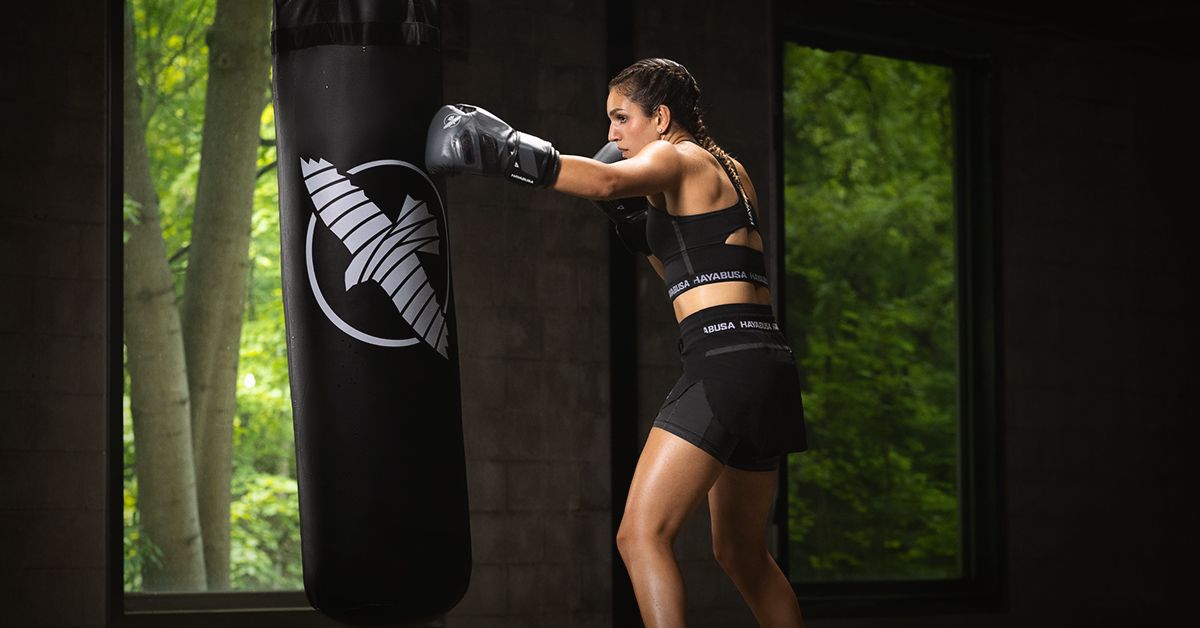
A hanging bag swings naturally after every punch, which helps fighters build a steady rhythm to help with reactionary time, spatial awareness, and agility.
Alternatively, freestanding bag training focuses on adding power and accuracy with every punch and/or kick. Both are beneficial, though each has its own central purpose.
Space & Installation Requirements
Ultimately, your training space will determine whether or not a heavy or freestanding heavy bag works for you.
Since hanging heavy bags requires ceiling mounts and solid foundational beams, many prefer the convenience of freestanding bags for at-home gyms. The versatility allows for a simple setup despite potential space restrictions.
However, it’s not uncommon for fighters to switch between training with others at a community gym and going solo with at-home training, or configuring their space to bring the best of both worlds home.
Safety & Stability
Working out in a professional gym promotes safety and stability as required by the building codes and capabilities. You can rely on a strong foundation with properly installed hanging heavy bags to support your training.
For at-home installation, it’s important to first ensure your ceiling and/or walls are well-equipped to handle the weight of a boxing training bag and the constant swinging from everyday punches and kicks. Otherwise, you face the risk of structural damage and serious injury.
Shop Hayabusa Heavy Bags Collection
Heavy Bag Comparison: Hanging vs. Freestanding
Understanding how each bag performs in terms of stability, power absorption, and setup requirements will help you choose the right bag for your training style.
Hanging Heavy Bags
Boxers and kickboxers alike appreciate the realistic movement and sturdiness a hanging heavy bag offers.
Benefits:
- Natural bag swing to improve timing and accuracy of punches, kicks, and footwork drills
- Maximum power absorption from varying punch combinations and drills
- Durable for long-term use and maintains training consistency when used at home
Limitations:
- Requires hardware installation of ceiling or wall mounts
- Not all at-home spaces will accommodate the height necessary to hang
- Inconvenient to move once installed
Freestanding Heavy Bags
Athletes who are building at-home gyms like the versatility of freestanding heavy bags to fit into a smaller space and accommodate flexible training routines.
Benefits:
- No external installation required, accommodates nearly any space
- Easy to move to the center or corner of a room before and after workouts
- Great option for beginners or for those wanting to complement their regular gym workouts with with at-home training
Limitations:
- Stability differences depending on the type of base fill
- Less swing and more reverb after high-power kicks and punches
- Potential to tip over following knockout-style punches or kicks
Shop Hayabusa Freestanding Bags
Which Heavy Bag Is Best for Your Training Style?
Both types of heavy bags are valuable tools for training, but depending on where you are in your journey, one may feel like a better fit before switching to the other.
For Power Punchers
It’s best to train with the weight of a bag that has the natural swing and stability to hang on.
A heavy hanging bag offers better feedback and is a safer option for power punchers who want to go all-out and achieve maximum impact absorption and durability.
For Home Gym Users
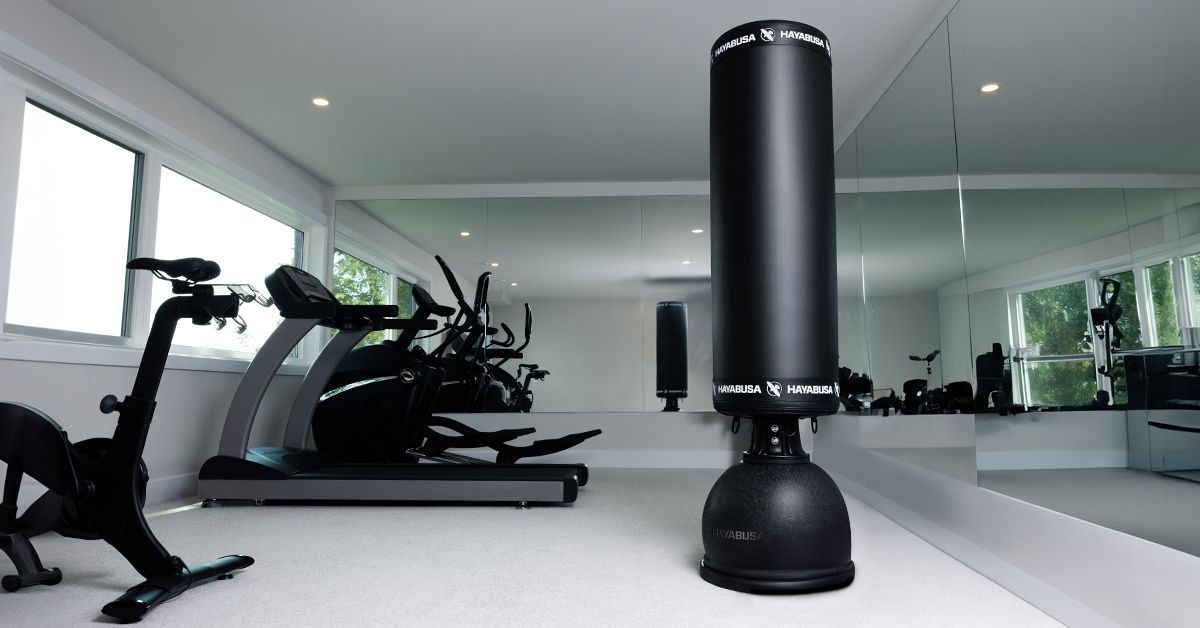
For a quick and convenient gym setup, the best heavy bag for home use is a freestanding style.
It’s a flexible option that can be moved from space to space and helps fighters train on speed, accuracy, and strength without the need for installation, as with a hanging heavy bag.
For Beginners
Both options work well for beginners. Many begin training at a gym with instructors who guide on technique and form using hanging heavy bags.
This helps first-timers get used to the rhythm and flow of landing punches and practicing defensive reactions while increasing their power and endurance.
However, training with a freestanding heavy bag at home also allows beginners to continue with what they’ve learned between gym sessions. Plus, the compact design makes it ideal for any type of training setup, such as a garage or even a spare room in the house.
For Kickboxing & MMA
The height of a heavy bag is a factor for kickboxers and MMA fighters, in particular.
A freestanding heavy bag may be more appropriate for practicing accuracy and impact without causing undue strain due to overreach.
Tips for Setting Up Your Heavy Bag
When taking the DIY approach, consider these safety tips to ensure your bag is installed and set up correctly:
- Confirm ceiling mounts are properly reinforced for hanging heavy bags. When in doubt, use a contractor who can safely determine the weight a beam can hold without damaging the structure.
- Consider which type of fill you want for your heavy bag. Sand or water are the top two options, and both can be customized to the preferred weight, though sand allows for more stability for freestanding bases.
- Place down gym mats to reduce noise for at-home use and create a similar semi-cushioned environment as what’s found in most gyms for safety purposes.
- Maintain enough space around a hanging heavy bag to allow for its natural swing, and when setting up a freestanding bag, keep the surrounding area clear for a wide range of movement.
Shop Hayabusa Training Accessories
Train Like a Champion with Hayabusa Heavy Bags
Both hanging and freestanding heavy bags benefit all types of combat sport training. Whether you’re working on punch accuracy, kick power, speed, or strength, the purpose of a heavy bag remains the same.
Consider your training goals and space limitations when deciding between the two styles. And eventually, you can work in other types, such as reflex boxing training bags and double-end bags, into your training workout.
Evaluating the benefits and potential setbacks of a heavy bag will help you decide which is the best heavy bag for home use, and which is best to train with when headed to the gym.
No matter which you prefer, you can count on the durability, quality, and innovative construction Hayabusa Heavy Bags deliver.